
Debunking Common Myths About Medical Cannabis
Understanding Medical Cannabis
Medical cannabis has been a topic of much debate and misinformation. As more regions legalize its use, understanding the facts becomes crucial. This article aims to debunk common myths surrounding medical cannabis, providing clarity and insight into its benefits and limitations.
Myth 1: Medical Cannabis Gets You High
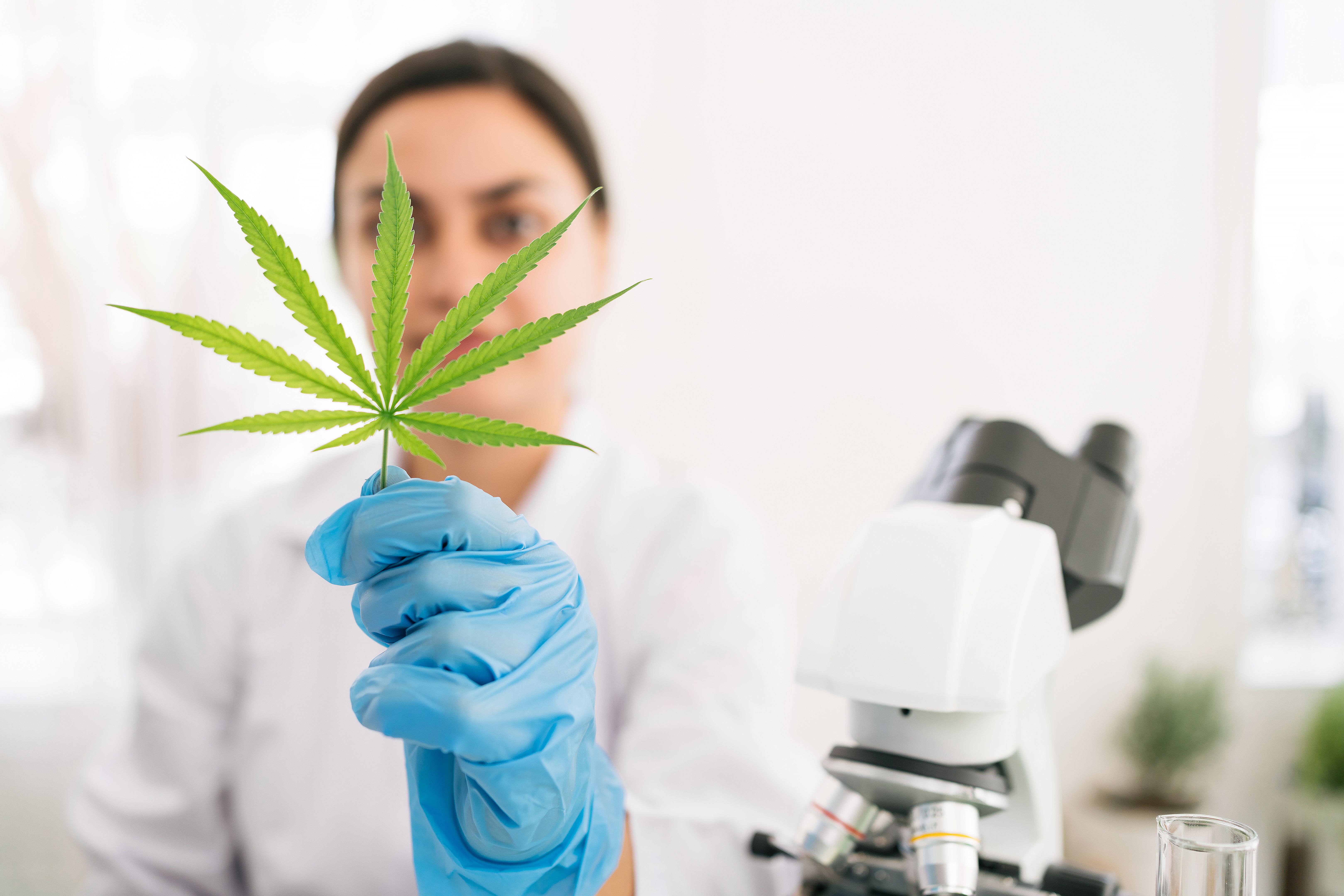
One of the most pervasive myths is that medical cannabis always induces a high. In reality, many medical cannabis products are formulated to minimize psychoactive effects. Cannabidiol (CBD), a major component, is non-psychoactive and can provide relief without the high associated with tetrahydrocannabinol (THC).
Patients often use strains or products with a higher CBD to THC ratio. This balance allows them to receive therapeutic benefits without significant psychoactive effects, making medical cannabis a viable option for many individuals.
Myth 2: Medical Cannabis Has No Scientific Support
Contrary to this belief, there is a growing body of scientific evidence supporting the use of medical cannabis for various conditions. Research has shown effectiveness in managing chronic pain, epilepsy, and multiple sclerosis symptoms.
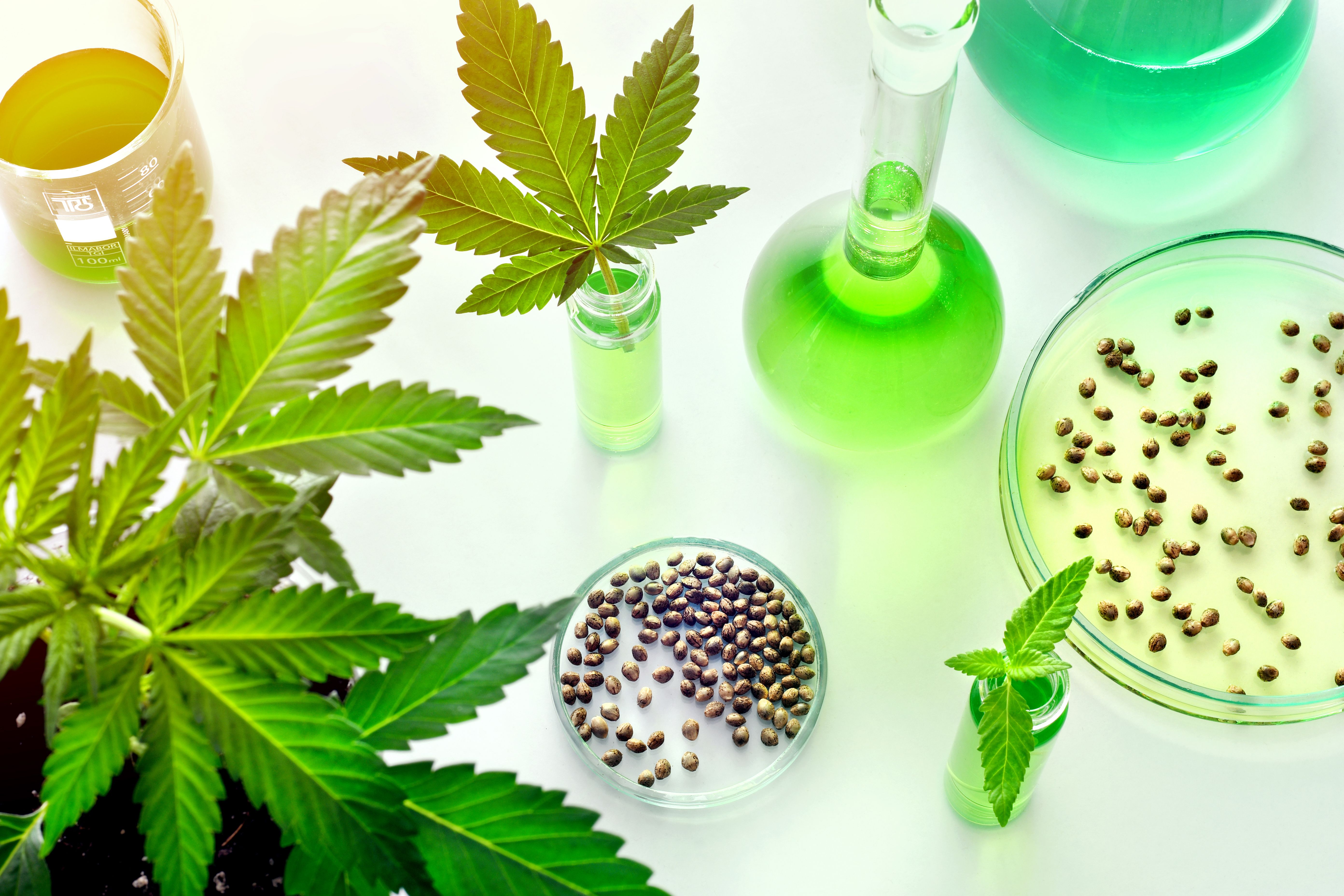
Additionally, numerous studies are ongoing, exploring the potential benefits of cannabis in treating a wider range of ailments. The increasing research efforts underscore the medical community's recognition of cannabis as a legitimate treatment option.
Myth 3: Medical Cannabis Is Only For Terminal Patients
While medical cannabis can be beneficial for patients with terminal illnesses, its use is not limited to them. Many individuals with chronic conditions such as arthritis, anxiety, and migraines also find relief through medical cannabis.
The versatility of cannabis as a treatment option is notable, offering benefits across a spectrum of conditions, not just for those facing end-of-life scenarios.

Myth 4: Medical Cannabis Is Addictive
Concerns about addiction often deter people from considering medical cannabis. However, studies indicate that the risk of addiction is relatively low, especially when compared to opioids and other prescription medications.
When used responsibly under medical supervision, cannabis can be a safe alternative to more addictive substances. It is crucial to follow prescribed guidelines to mitigate any potential risks.
Myth 5: All Cannabis Products Are the Same
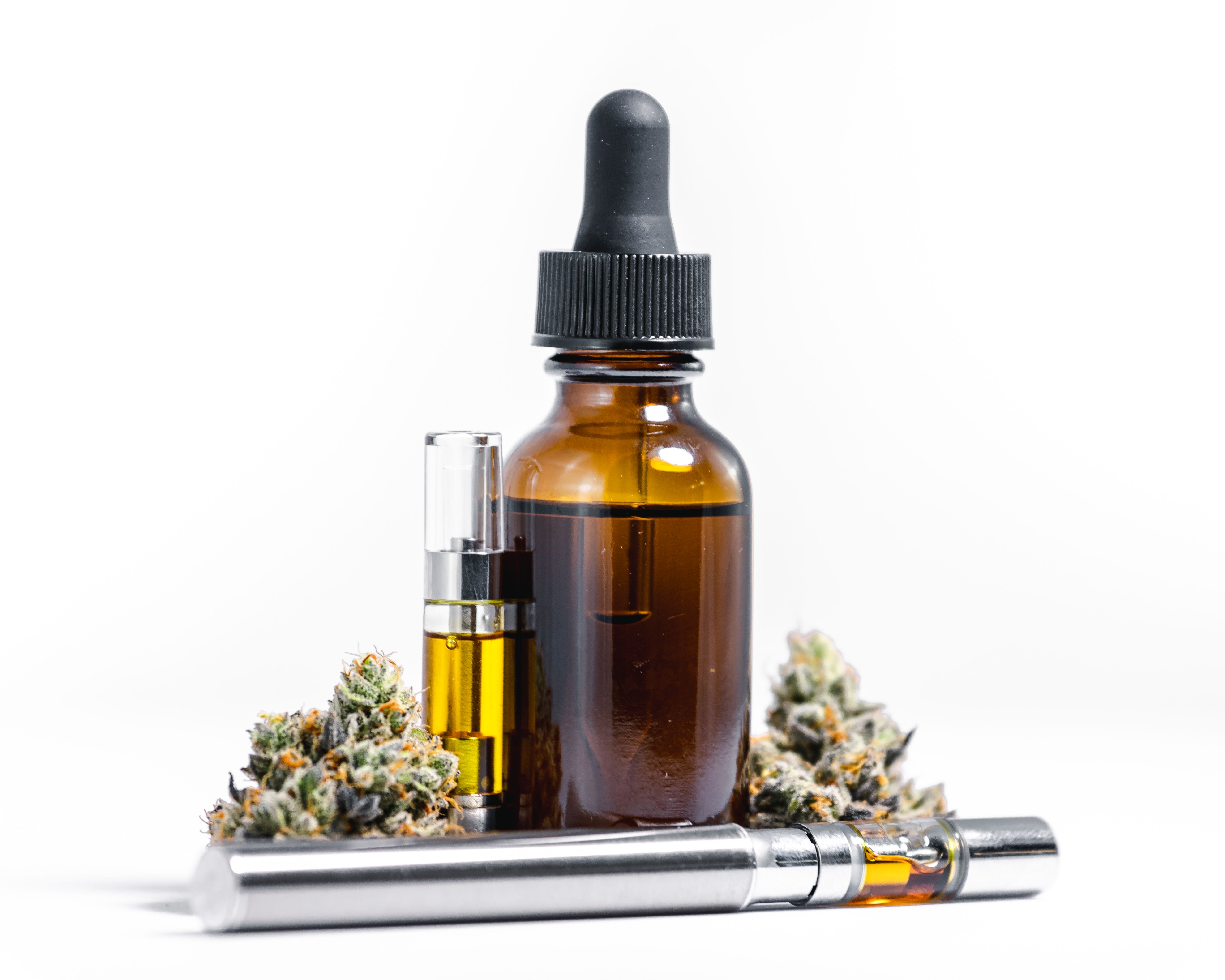
There is a wide variety of cannabis products available, each with distinct compositions and effects. From oils and tinctures to edibles and topicals, the options are vast and tailored to different needs.
Understanding the differences in these products is essential for selecting the right treatment. Consulting with healthcare professionals can help patients make informed decisions about which product best suits their condition.
Conclusion
Debunking these myths is vital for a better understanding of medical cannabis and its potential benefits. As research continues and more individuals share their positive experiences, the stigma surrounding medical cannabis is steadily declining. Embracing factual information over myths allows for more informed decisions and improved healthcare outcomes.